Semax: A Peptide That Boosts Cognition, Brain Health & Mood
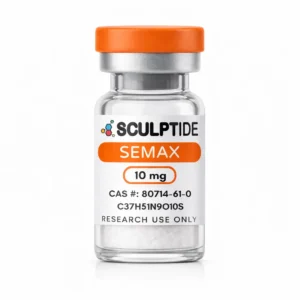
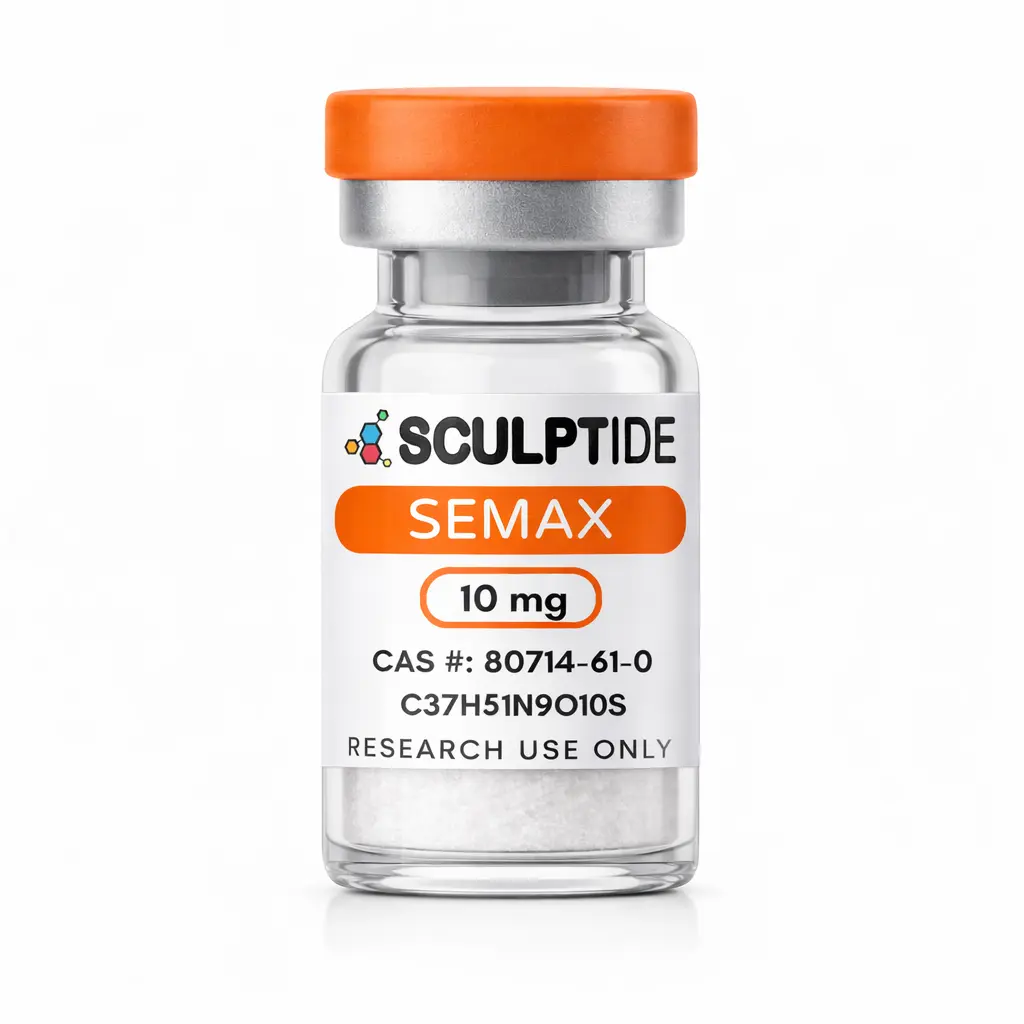
Semax is a synthetic regulatory peptide widely recognized for its nootropic and neuroprotective properties. Often referred to as a cognitive enhancement peptide, it is used to support memory, improve focus, and protect brain cells during periods of stress or neurological injury. One of the more medically established uses of Semax has been for post-stroke recovery and cognitive rehabilitation.
Semax works by increasing levels of Brain-Derived Neurotrophic Factor (BDNF) — a key protein involved in neuroplasticity, learning, and memory. It also helps regulate important neurotransmitters such as serotonin and dopamine, which play a role in mood, motivation, and mental clarity.
What Is Semax?
This powerful cognitive-enhancing synthetic peptide was originally developed in Russia and is approved there for some neurological uses. It was derived from a fragment of ACTH (adrenocorticotropic hormone) but does not affect cortisol the way ACTH does. Primarily studied for cognitive enhancement, neuroprotection, stroke recovery and mood support.
Benefits of Semax
Cognitive Enhancement & Memory Support
Clinical research suggests it may improve memory retention, attention span, and learning capacity. It is commonly used as a nootropic to support mental performance, focus, and productivity. Learn more about
Attention-Deficit Hyperactivity Disorder (ADHD)
Studies have shown positive effects utilizing this peptide as a possible treatment for modulating attention-deficit hyperactivity disorder (ADHD), which can be read here.
Neuroprotection & Brain Cell Support
Semax has demonstrated neuroprotective effects, helping protect neurons during hypoxia (low oxygen conditions) and exposure to neurotoxins. It has been studied for its potential role in stroke recovery and brain injury support.
Stress & Anxiety Reduction & Mood Support
Research indicates that this peptide may have anxiolytic (anti-anxiety) and antidepressant-like effects. By modulating dopamine, serotonin, and neurotransmitter activity, it may help the brain adapt more effectively to chronic stress.
Brain Health & Neuroplasticity
By increasing BDNF levels, Semax promotes neuron survival, supports synaptic plasticity, and may contribute to healthy brain development and long-term cognitive resilience.
Alzheimer’s & Neurodegenerative Research
Emerging research suggests that this advanced peptide may help reduce amyloid plaque formation and protect against copper-induced neurotoxicity, making it of interest in ongoing Alzheimer’s disease research. You can read more about its role in fighting Alzheimer’s in this article here.
Where Can I Learn More?
1. Semax and BDNF / neurotrophic effects
- Semax, an analogue of adrenocorticotropin (4-10), binds specifically and increases levels of brain-derived neurotrophic factor protein in rat basal forebrain
- Shows increased BDNF levels, supporting neuroplasticity and cognitive function.
2. Effects on neurotransmitter systems (dopamine/serotonin)
- Semax, an ACTH(4-10) analogue with nootropic properties, activates dopaminergic and serotoninergic brain systems in rodents
- Demonstrates activation of dopamine and serotonin systems, linked to mood and cognition.
3. Semax and brain network activity (human imaging study)
- Effects of Semax on the Default Mode Network of the Brain
- Shows alteration of brain network connectivity, suggesting cognitive-enhancing effects.
4. Neuroprotection / gene regulation
- Semax and Pro-Gly-Pro activate the transcription of neurotrophins and their receptors in the rat hippocampus
- Demonstrates upregulation of neurotrophin-related genes, supporting neuroprotection.
Common Stacks & Related Peptides
Semax is often combined with Selank as they are both complimentary neuropeptides providing cognitive and emotional mood support. When combined, they provide a synergistic effect that enhances mental clarity, memory, and emotional resilience. Se.max is widely used in the nootropics category amongst adult researchers.