Retatrutide – Advanced Triple‑Action Rapid Weight Loss Powerhouse
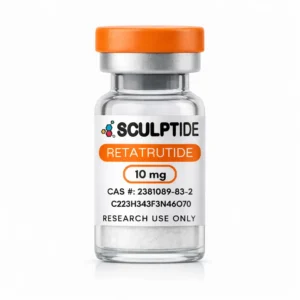
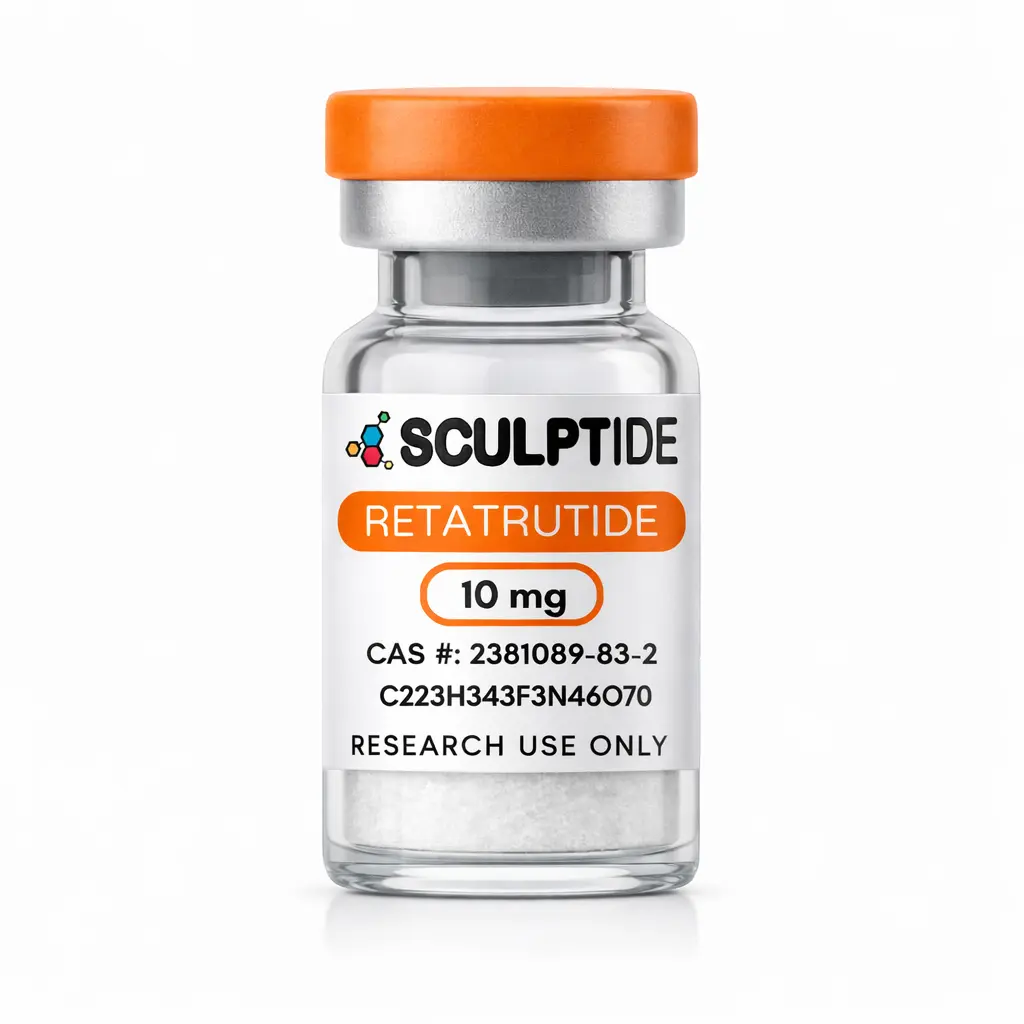
Retatrutide (aka Reta Triple G Agonist or LY3437943) is an advanced, superior, investigational, once-weekly injectable peptide developed for the treatment of obesity, substantial weight loss, and type 2 diabetes. Unlike current single (GLP-1) and dual (GLP-1/GIP) agonist compounds like Semaglutide and Tirzepatide, Retatrutide is a triple agonist compound targeting three hormone receptors instead of only one or two:
GLP-1 (glucagon-like peptide-1)
GIP (glucose-dependent insulinotropic polypeptide)
GCG (glucagon receptor)
According to a landmark clinical trial published in the New England Journal of Medicine, Retatrutide demonstrated significant weight reduction, up to 30%, in participants over a 48-week period, highlighting its potential as a next-generation metabolic peptide. Further research indexed on PubMed supports these findings, confirming meaningful improvements in body weight and metabolic markers in controlled human studies involving Retatrutide.
What Is Retatrutide?
Retatrutide is a long-acting peptide designed to mimic three natural metabolic hormones involved in appetite control, glucose regulation, and energy expenditure.
By activating multiple pathways simultaneously, it aims to:
Reduce appetite
Slow gastric emptying
Improve blood sugar control
Increase fat metabolism
Boost energy expenditure
This multi-target approach differentiates it from current single- and dual-agonist obesity treatments.
Triple-Hormone Mechanism of Action
Retatrutide stimulates three key metabolic receptors:
1. GLP-1 Receptor Activation
Suppresses appetite
Slows digestion
Improves insulin secretion
2. GIP Receptor Activation
Enhances insulin response
Supports metabolic regulation
3. Glucagon (GCG) Receptor Activation
Increases energy expenditure
Promotes fat oxidation
Contributes to additional weight loss beyond appetite suppression
The glucagon receptor activity is particularly significant, as it may increase calorie burning—something most GLP-1 medications do not directly target.
Long-Acting Weekly Injection
Retatrutide is conjugated to a fatty diacid, extending its half-life to approximately 6 days, allowing for convenient once-weekly dosing.
Weight Loss Clinical Trial Results
In Phase 2 clinical trials:
Participants receiving 12 mg experienced up to 24.2% average body weight loss at 48 weeks
Additional studies reported up to 28.7% weight reduction at 68 weeks
Higher doses (8 mg and 12 mg) demonstrated the most significant results
These findings suggest Retatrutide may outperform current GLP-1 therapies and dual-agonist medications in terms of total weight loss.
Metabolic Improvements
Beyond weight reduction, additional studies have also explored Retatrutide’s impact on metabolic health, with evidence suggesting reductions in liver fat and improvements in overall metabolic function:
Improve cardiometabolic markers
Reduce fat mass
Maintain a favorable fat-to-lean mass loss ratio
Enhance glucose control in patients with type 2 diabetes
Type 2 Diabetes Management
In individuals with type 2 diabetes, Retatrutide demonstrated strong glucose-lowering effects alongside meaningful weight reduction, highlighting its potential dual benefit in metabolic disease treatment.
Side Effects and Safety Profile
Like other incretin-based therapies, the most commonly reported side effects are gastrointestinal, including:
Nausea
Vomiting
Diarrhea
Reduced appetite
Full safety data is still being evaluated in ongoing Phase 3 clinical trials.
Regulatory Status and Availability
Retatrutide is currently in Phase 3 clinical trials.
As of late 2025, it is not yet FDA-approved.
It is not yet commercially available though appears to be in the market off-label.
If trials continue successfully, potential FDA approval could occur in late 2026 or early 2027.
Retatrutide vs. Current GLP-1 Weight Loss Drugs
Compared to GLP-1 medications like semaglutide or dual agonists like tirzepatide, Retatrutide’s triple-receptor activation may provide:
Greater total body weight reduction
Increased energy expenditure
Enhanced metabolic improvements
Broader hormonal targeting
This positions it as one of the most promising investigational obesity treatments currently in development.
The Future of Retatrutide in Obesity Treatment
With obesity and type 2 diabetes rates continuing to rise globally, this triple-action peptide represents a potential breakthrough in pharmacological weight management. Its ability to combine appetite suppression with increased calorie burning distinguishes it from existing therapies.
As Phase 3 trials progress, the medical community continues to closely monitor its long-term safety, durability of weight loss, and metabolic benefits.
Where Can I Learn More?
National Library of Medicine – PubMed
Read our blogs comparing retatrutide to semaglutide and retatrutide to tirzepatide , along with the best weight loss peptides.
Common Stacks & Related Peptides
Retatrutide is a versatile weight loss peptide that can been stacked with a number of other compounds, although it works incredibly well on its own. This peptide works synergistically with a number of growth hormone stimulating peptides like AOD-9604, CJC-1295, Ipamorelin, and Tesamorelin, to enhance fat burning while increasing muscle retention and lean body mass.
Combining with Cagrilintide is another popular stack for appetite and hunger control as Cagrilintide enhances satiety.
A stack gaining popularity is pairing it with MOTS-c or NAD+. MOTS-c and NAD+ keep mitochondria firing to provide energy, endurance, and muscle preservation through better fuel usage, which helps offset the fatigue, lethargy, and a general sense of unwellness sometimes accompanied due to rapid weight loss and calorie deficit. Retatrutide is widely used in the weight loss category amongst adult researchers.