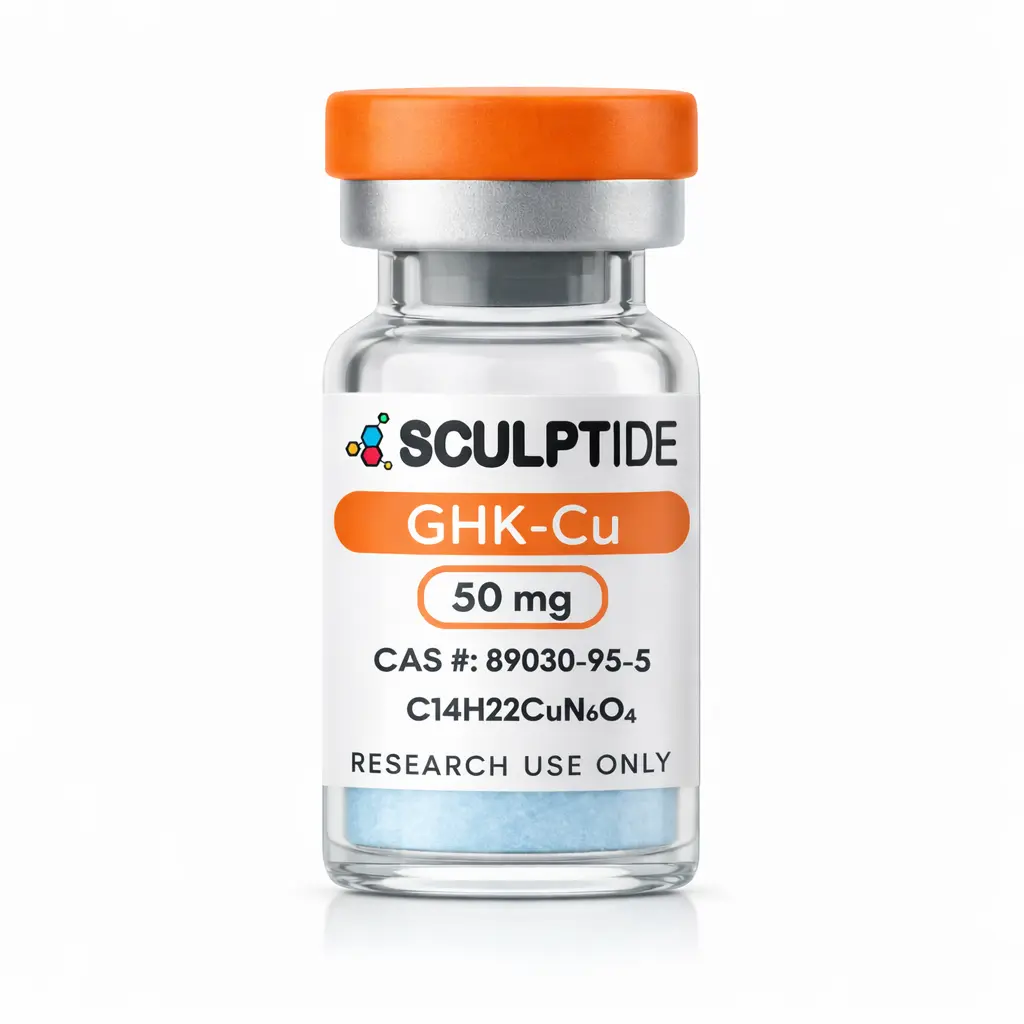
GHK-Cu: A Potent “GLOW” for Skin Health, Hair & Anti-Aging
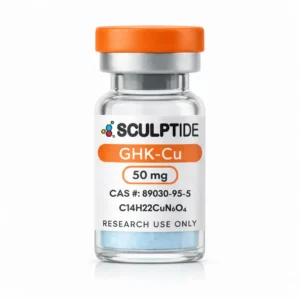
GHK-Cu (glycyl-L-histidyl-L-lysine copper) is a naturally occurring copper peptide found in human plasma, saliva, and urine. Often referred to as the “Glow peptide” or “blue copper peptide” (due to its blue color), GHK-Cu is widely recognized for its powerful regenerative, anti-aging, and skin-repair properties. As natural levels decline with age, it plays a key role in tissue repair, skin regeneration, and the promotion of overall skin health making its usage popular in anti-aging, wound healing, and hair growth treatments.
GHK-Cu is highly effective in stimulating collagen production, improving skin elasticity, and reducing wrinkles, making it a sought-after peptide in skincare. It also promotes wound healing by encouraging the growth of new blood vessels and enhancing the repair of damaged tissues.
This peptide has strong anti-inflammatory properties, helping to soothe and calm the skin, reducing irritation and redness. It also supports the regeneration of hair follicles, making it beneficial for individuals seeking to improve hair growth.
This potent skin tripeptide is typically used in topical formulations or through injections, depending on the intended application. The dosage and method of use will depend on individual goals and the condition being treated.
What Is GHK-Cu?
GHK-Cu is a small tripeptide that binds to copper ions, forming a biologically active complex involved in tissue repair and regeneration. It plays a key role in:
Collagen production
Skin remodeling
Anti-inflammatory signaling
Wound healing processes
Because of its ability to support skin renewal and repair, it is frequently used in cosmetic and dermatological formulations.
Anti-Aging Benefits of GHK-Cu
1. Collagen and Elastin Stimulation
Glycyl-L-histidyl-L-lysine copper helps stimulate the synthesis of:
Collagen
Elastin
Glycosaminoglycans (GAGs)
These structural proteins improve skin firmness, elasticity, and hydration—reducing the appearance of fine lines and wrinkles.
2. Skin Regeneration and Firmness
By promoting cellular turnover and reducing inflammation, it has shown to:
Improve skin texture
Enhance tone and clarity
Reduce redness and irritation
Support tighter, smoother-looking skin
This is why it is commonly included in anti-aging serums and creams.
Wound Healing and Tissue Repair
GHK-Cu plays a significant role in tissue remodeling by:
Attracting immune cells to damaged tissue
Supporting angiogenesis (new blood vessel formation)
Accelerating wound healing
Promoting faster recovery of injured skin
Its regenerative properties have made it a focus in dermatological and wound care research.
GHK-Cu for Hair Growth and Scalp Health
Studies suggest it may support:
Increased hair shaft thickness
Improved hair density
Enhanced scalp circulation
Reduced scalp inflammation
Copper peptides are often used in hair growth serums to promote stronger, healthier-looking hair.
Natural Decline With Age
GHK-Cu levels decrease significantly over time:
Approximately 200 ng/mL at age 20
Around 80 ng/mL by age 60
This age-related decline has contributed to growing interest in injectable, topical and supplementation of this peptide in applications for skin rejuvenation and longevity support.
Forms and Applications of GHK-Cu
Commonly available in:
Subcutaneous injection
Anti-aging serums
Moisturizing creams
Hair growth treatments
Dermatological formulations
Compounded preparations
Topical application is the most common method for skincare and cosmetic use.
Is It Safe?
Yes, glycyl-L-histidyl-L-lysine copper is generally considered safe and well-tolerated. Its naturally occurring presence in the body and extensive cosmetic use contribute to its strong safety profile.
As with any health-related compounds, individuals should follow product instructions and consult a healthcare professional if considering advanced or compounded formulations.
Why GHK-Cu Is Called the “Glow Peptide”
Due to its ability to:
Stimulate collagen production
Improve skin elasticity
Support wound healing
Promote healthier hair growth
This powerful collagen peptide has earned its reputation as a multi-functional regenerative peptide in both skincare and wellness industries.
Where Can I Learn More?
1. GHK-Cu and skin regeneration / collagen production
- The human tripeptide GHK-Cu stimulates synthesis of collagen and glycosaminoglycans in human dermal fibroblasts
- Demonstrates increased collagen and extracellular matrix production, supporting skin repair and anti-aging effects.
2. Gene expression and regenerative effects of glycyl-L-histidyl-L-lysine copper
- Gene expression profiling of human fibroblasts treated with the copper peptide GHK-Cu
- Shows GHK-Cu upregulates repair genes and downregulates inflammatory pathways, linked to tissue regeneration.
3. GHK-Cu and wound healing activity
- Copper peptide GHK Cu accelerates wound healing and improves tissue remodeling
- Indicates enhanced wound contraction, angiogenesis, and skin remodeling.
4. Glycyl-L-histidyl-L-lysine copper as a regenerative and anti-aging peptide (review)
- Copper peptide GHK-Cu: biology and clinical implications
- Reviews mechanisms including skin regeneration, antioxidant effects, and tissue repair potential.
Common Stacks & Related Peptides
GHK-Cu is often combined with BPC-157 and TB-500 for the popular GLOW Stack intended for skin and hair rejuvenation, skin health, and overall beauty. When KPV is included (“Radiance Recovery Blend”), it becomes a multi-purpose peptide therapy designed to promote skin health, rapid healing, tissue regeneration, gut health, and overall wellness. GHK-Cu is widely used in the skin category amongst adult researchers.