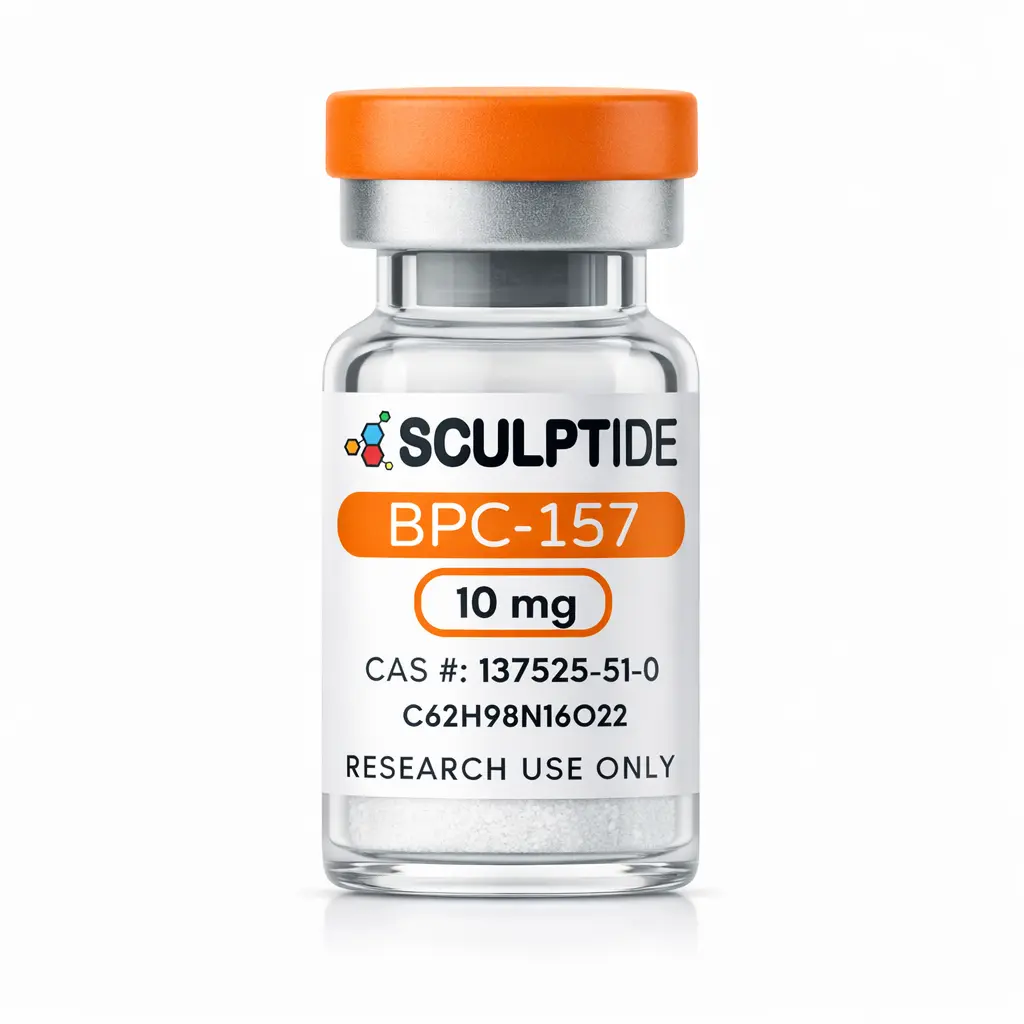
BPC-157: The “King” of Healing & Recovery Peptide
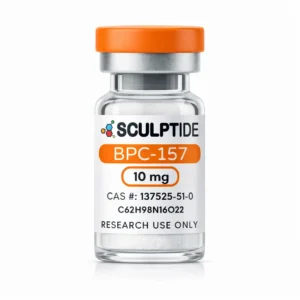
BPC-157 peptide is a synthetic 15-amino acid peptide derived from a protein found in human gastric juice. Standing for Body Protection Compound-157, it is widely studied for its potential tissue-healing, anti-inflammatory, angiogenic and regenerative properties, particularly on soft tissue repair, injury recovery, and post-surgical healing.
Researchers in Canada use BPC 157 to explore its ability to support healing in muscles, tendons, ligaments, and bones. It is also being investigated for its potential role in reducing inflammation, supporting joint health, promoting gut healing, and protecting nerve tissue.
BPC-157 has gained significant attention in research involving musculoskeletal injury repair, gastrointestinal health, and regenerative medicine. While animal studies show promising results, large-scale human clinical trials are still limited.
BPC-157 is often paired/stacked with TB-500 to form a potent healing combination due to synergistic properties between the two compounds. Learn more about this powerful healing peptide in our blog post here.
What Is BPC-157?
BPC-157 is a stable gastric peptide fragment believed to support cellular repair and tissue regeneration. Because it remains stable in stomach acid, it has been researched for both systemic healing effects and digestive tract support.
It is commonly studied for:
Tendon and ligament repair
Muscle recovery
Joint and bone healing
Inflammatory bowel conditions
Ulcer repair
Benefits and Therapeutic Potential of BPC-157
1. Accelerated Injury Healing
Frequently researched in sports medicine and regenerative studies for its ability to:
Support tendon and ligament healing
Promote muscle repair
Enhance bone regeneration
Improve recovery from sprains and strains
Animal studies suggest it may accelerate healing in poorly vascularized tissues, which typically recover slowly.
2. Gastrointestinal Health Support
Because it originates from gastric peptides, BPC-157 has been studied for:
Protecting gastric mucosa
Supporting ulcer healing
Reducing intestinal inflammation
Assisting in inflammatory bowel disease (IBD) models
Its stability in gastric acid makes oral administration a focus in gut-related research.
3. Anti-Inflammatory and Angiogenic Effects
Body Protection Compound 157 may reduce inflammation and promote angiogenesis (new blood vessel formation), which is critical for tissue repair and oxygen delivery to injured areas.
4. Systemic Organ Protection (Preclinical Research)
Preclinical studies suggest potential protective effects on:
Liver tissue
Kidney function
Central nervous system structures
However, these findings are largely based on animal models.
Mechanism of Action
BPC-157 works through several biological pathways involved in tissue repair and regeneration.
Research suggests it may:
Upregulate growth factors
Modulate nitric oxide (NO) production
Activate VEGFR2 signaling pathways
Stimulate the Akt-eNOS pathway
Enhance fibroblast migration and collagen formation
These mechanisms contribute to accelerated healing in damaged tissues.
Forms and Administration of PBC-157
Injectable
Administered subcutaneously or intramuscularly
Often used for targeted injury research
Oral
Capsules or tablets
Commonly studied for gastrointestinal support
Stable in gastric acid
The method of administration depends on the intended research focus.
Considerations
It is banned by the World Anti-Doping Agency (WADA).
Body Protection Compound 157 is not yet FDA-approved.
It is classified as an unapproved research compound.
Most evidence comes from animal research, which show favorable healing properties.
While animal studies show low toxicity, long-term safety in humans remains unknown.
- Potential localized side effects may include injection site pain, swelling, or redness.
How Long Does BPC-157 Take to Work?
In preclinical animal studies, tissue repair effects have been observed within days to weeks, depending on injury severity.
In limited human observational reports, improvements in joint pain or soft tissue recovery may take several weeks to months. However, definitive timelines are not established due to limited controlled human trials.
Is BPC-157 Effective?
BPC-157 remains one of the most discussed regenerative peptides due to its promising animal research data. It is commonly studied for:
Sports injury recovery
Tendon and ligament repair
Gut healing support
Anti-inflammatory applications
However, more human clinical research is needed to confirm safety and efficacy.
According to research published on the National Institutes of Health (NIH), BPC-157 has shown promising regenerative properties.
Where Can I Learn More?
Learn more about BPC-157 here:
https://journals.sagepub.com/doi/abs/10.1177/15563316251355551
https://www.mdpi.com/1424-8247/18/2/185
https://journals.physiology.org/doi/full/10.1152/japplphysiol.00945.2010
National Library of Medicine – PubMed
Common Stacks & Related Peptides
BPC-157 combined with TB-500 is regarded as one of the most popular peptide stacks on the market renowned for its healing capabilities. When combined with GHK-Cu and KPV (“Radiance Recovery Blend”), it becomes a multi-purpose peptide therapy designed to promote skin health, rapid healing, tissue regeneration, gut health, and overall wellness. BPC-157 is widely used in the healing and recovery category amongst adult researchers.