Peptide Calculator
Easily calculate proper peptide dosage and syringe draw by selecting your parameters. Our peptide calculator is for information/entertainment purposes only and should not be taken as medical advice. Always consult with a licensed medical professional.
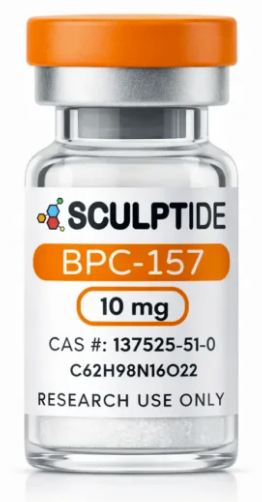
How Much Peptide Is In Your Vial?
Refer to Vial Label
How Much Water Are You Adding?
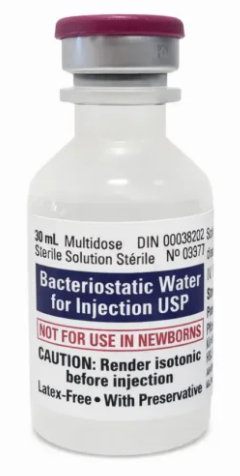
Bacteriostatic or Reconstitution Solution
What Is Your Syringe Volume?
30 units = 0.3 mL | 50 units = 0.5 mL | 100 units = 1.0 mL
How Much Peptide Do You Want In Each Dose?
Default Dosage Unit Is Milligrams (mg).
Select one option in each section to calculate your result.
Visual Syringe Scale
Peptide Reconstitution Guide
Our research peptides in Canada are supplied as lyophilized (freeze-dried) peptide powders, a highly stable format ideal for shipping, storage, and long-term preservation. This method protects peptide purity and stability, even during short-term temperature fluctuations in transit.
To maximize peptide shelf life, proper peptide storage and handling is essential. Keeping peptides in their lyophilized form helps prevent degradation and preserves bioavailability. Peptides should always be kept cold, dry, and away from light, but even at room temperature peptides can remain stable.
Lyophilized peptides must be correctly reconstituted with a suitable solvent like bacteriostatic water before research use. Proper reconstitution ensures optimal peptide potency, integrity, and bioactivity.
To buy high-quality research peptides in Canada that will deliver reliable results, visit our store here.
How to Calculate Peptide Dosage and Reconstitution
Using the peptide calculator above, quickly determine the correct peptide dosage, reconstitution ratio, and syringe draw volume based on vial strength, solvent amount, and desired dose. This tool simplifies peptide calculations to ensure accurate measurement when working with research peptides. The most common syringe used for subcutaneous peptide administration is the 1 mL U-100 insulin syringe, where 100 units equals 1 mL, allowing for precise and consistent dosing.
1. Do The Math First Using the Calculator
Using the peptide calculator above, calculate the required solvent volume based on the peptide amount, dosage desired, and injection syringe to be utilized. Note: The most common syringe used by reseachers for sub-cutaneous injection is the 1 mL U-100 insulin syringe (100 units = 1 mL).
2. Prepare Your Work Environment
Ensure all materials are in hand before starting (peptide, solvent, syringes, gloves, alcohol disinfectant). Always thoroughly wash your hands, wear streile or non-sterile gloves, and disinfect all surfaces and vial tops with proper alcohol disinfectant. It is critical to properly disinfect all vial tops and allow them to air dry (never blow dry).
3. Solvent, Syringe, & Needle Choice
SOLVENT: Bacteriostatic water is the most commonly used solvent for most peptides as it contains preservatives to maintain peptide stability and potency while allowing multi-use. Sterile water should not be used as it does not contain preservatives, unless the peptide is only intended for immediate single use. A few special peptides like AOD-9604 and IGF may require Acetic Acid due to their hydrophobic property.
NEEDLE & SYRINGE FOR RECONSTITUTION VS INJECTION: To reconstitute peptides, a bigger needle with bigger syringe should be used as it will be quicker to draw out the solvent and transfer it to the peptide vial (such as a 21 Gauge 1.5" needle on a 3 mL syringe or something similar). Do not use an insulin needle to reconstitute as it will be slow and inefficient (insulin needles are tiny with less syringe volume). Conversely, to inject peptides sub-cutaneously use an insulin needle instead (U-100, 30 Gauge, 5/16" or something similar) and not a big needle.
4. Peptide Reconstitution Steps
STEP 1: Take the lyophilized peptide from the freezer and allow it to reach room temperature. Remove any metal cap (if applicable) and adequately disinfect the peptide vial top and solvent vial top with alcohol prep wipes. Allow both to air dry (never blow dry).
STEP 2: Remove the needle and syringe from its packaging, draw back the plunger to the desired solvent volume (to fill the syringe barrel with air), insert the needle into the solvent vial, inject/depress the plunger so the air goes into the solvent vial, pull back the plunger to fill the syringe with the desired solvent volume, remove the needle from the solvent vial. Note: Filling a vial with air will help with drawing out the solution into a syringe.
STEP 3: Insert the needle (with syringe containing the solvent) into the peptide vial, hold the peptide vial at a 45° angle, slowly inject the solvent so that it trickles down the glass/side of the peptide vial (do not squirt the solvent directly onto the peptide powder as that can compromise its integrity), remove the needle from the peptide vial and dispose of it in a sharps container.
STEP 4: Most peptides will dissolve immediately after addition of solvent, but some may take a few minutes. If yours has not fully dissolved, gently swirl, tilt, or invert the vial to help the peptide dissolve, but never ever shake the peptide vial as that can degrade and compromise peptide integrity (foaming or bubbles may indicate damaged peptides). If still not dissolved, allow the peptide to sit at room temperature for 15-30 minutes.
5. Storage and Handling of Peptides
BEFORE RECONSTITUTION: Lyophilized peptides should always be stored in the freezer at −20°C to −80°C to maximize shelf life and potency. Try to always keep lyophilized peptides in a very cold, dry place away from light. Lyophilized peptides coming out of a freezer should be allowed to first reach room temperature before reconstituting (15-30 min). It is important to avoid repeated freeze-thaw cycles of lyophilized peptides, as temperature differences can result in condensation and moisture formation which in turn may lead to peptide degradation.
AFTER RECONSTITUTION: Reconstituted peptides should always be stored in the refrigerator at 2–8°C and used within 28 days. Try to always keep reconstituted peptides in a cold, dry place away from light to maintain their stability and potency. Never put reconstituted peptides back in the freezer as that can damage peptide integrity.
ROOM TEMPERATURE: Best practice is to always keep lyophilized or reconstituted peptides in very cold/cold, dry places away from light (freezer or refrigerator). Being at room temperature, however, is okay for lyophilized peptides up to a few weeks to months, while reconstituted peptides can be at room temperature for a few days if kept in dry, dark places.