5-Amino-1MQ: Blocking Fat Storage and Boosting Metabolism
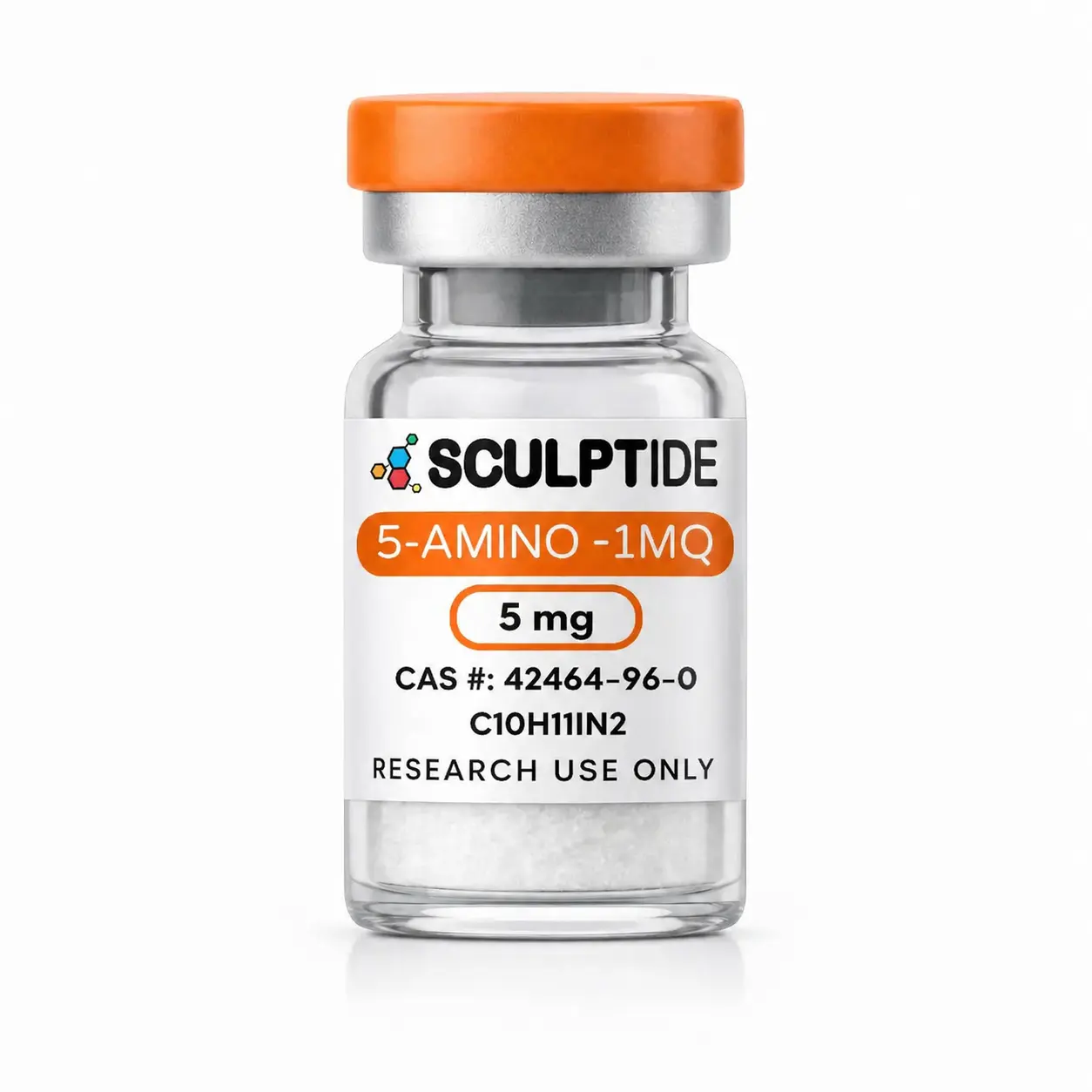
5-Amino-1MQ (short for 5-amino-1-methylquinolinium) is not a peptide, but rather a small molecule designed to optimize metabolism and support weight loss by inhibiting the enzyme nicotinamide N-methyltransferase (NNMT) which signals the body to store fat and regulates cellular metabolism. By blocking NNMT, fat burning is instead promoted and NAD+ levels increased which subsequently activates SIRT1 (the “longevity” gene). Combined, this leads to increased energy, faster metabolism, and anti-aging effects for a more youthful composition over time.
What Is 5-Amino-1MQ
Chemical name: 5-amino-1-methylquinolinium
Category: Small-molecule compound
Function: Inhibits the enzyme NNMT (nicotinamide N-methyltransferase)
What It Does
5-amino-1MQ inhibits NNMT, an enzyme involved in:
Fat metabolism
Insulin sensitivity
Energy regulation
When NNMT is overactive, it’s associated with:
Obesity
Type 2 diabetes
Metabolic dysfunction
So block NNMT → Improve metabolism → Reduce fat storage
How Does 5-Amino-1MQ Work?
As we age, NNMT activity tends to increase, which can slow metabolism and promote fat accumulation.
NNMT Inhibition
5-Amino-1MQ blocks NNMT activity, allowing cells to operate more efficiently and support healthier metabolic function.
Increases NAD⁺ Levels
By inhibiting NNMT, it helps elevate levels of nicotinamide adenine dinucleotide (NAD⁺), a critical coenzyme involved in cellular energy production and metabolic health.
Activates SIRT1 (Sirtuin-1)
Higher NAD⁺ levels stimulate SIRT1, often referred to as the “longevity gene.” SIRT1 plays a role in reducing fat accumulation, improving metabolic efficiency, and supporting cellular repair processes.
Key Benefits of 5-Amino-1MQ
Supports Fat Loss and Weight Management
Targets visceral fat and white adipose tissue, including areas that are often resistant to traditional weight loss efforts.
Enhances Metabolic Rate
Helps increase basal metabolic rate, encouraging the body to utilize fat as a primary energy source.
Boosts Energy Production
Supports mitochondrial function and ATP production, contributing to improved energy levels and mental clarity.
Preserves Lean Muscle Mass
Promotes fat loss while helping maintain muscle integrity.
Improves Insulin Sensitivity
May assist in maintaining balanced blood sugar levels and healthier metabolic function.
Promotes Longevity and Cellular Health
Supports cellular repair mechanisms and may help counteract age-related metabolic decline.
Research Findings
Early research on 5-Amino-1MQ has shown encouraging results, particularly in animal studies. In one mouse study, subjects experienced approximately a 7% reduction in body weight over a 10-day period without any decrease in appetite. These findings suggest that 5-Amino-1MQ may support weight reduction by improving metabolic efficiency rather than relying on appetite suppression.
Administration & Considerations
Usage
Often incorporated into medical weight loss or longevity protocols and sometimes combined with NAD⁺ for enhanced metabolic support.
Timeline
Some individuals report increased energy within 1–2 weeks. More noticeable body composition changes are typically observed within 4–8 weeks.
Lifestyle Matters
Best results are achieved when combined with a calorie-conscious diet and consistent exercise routine.
Potential Side Effects
Generally well tolerated, though rare side effects may include headache, nausea, or mild dizziness.
Where Can I Learn More?
1. NNMT inhibition and obesity (mechanism study)
- Nicotinamide N-methyltransferase knockdown protects against diet-induced obesity
- Shows that reducing NNMT activity increases energy expenditure and protects against fat gain.
2. NNMT as a metabolic regulator (foundational research)
- NNMT: a metabolic regulator with roles in cancer, obesity, and energy metabolism
- Highlights NNMT’s role in fat storage, metabolism, and cellular energy balance.
3. Small-molecule NNMT inhibitors (relevant to 5-Amino-1MQ)
- Discovery of small molecule inhibitors of nicotinamide N-methyltransferase
- Demonstrates compounds like 5-Amino-1MQ can inhibit NNMT and influence metabolic pathways.
4. NNMT inhibition improves metabolic health (preclinical study)
- Inhibition of NNMT improves metabolic parameters in obesity models
- Shows improved insulin sensitivity, reduced fat mass, and better metabolic outcomes.
Common Stacks & Related Peptides
5-Amino-1MQ is often stacked with weight loss peptides like Retatrutide, Semaglutide, and Tirzepatide to maximize weight loss and fat burning. Also combined with NAD+ and MOTS-c (“Ultimate Energy” Stack), 5-Amino-1MQ protects NAD+ levels by blocking its depletion, while MOTS-c activates AMPK, creating a highly effective combination for boosting mitochondrial function and cellular metabolism. A newer stack is combining 5-Amino-1MQ with AOD-9604 for potent fat burning and utilization. 5-Amino-1MQ is widely used in the fat reduction category amongst adult researchers.