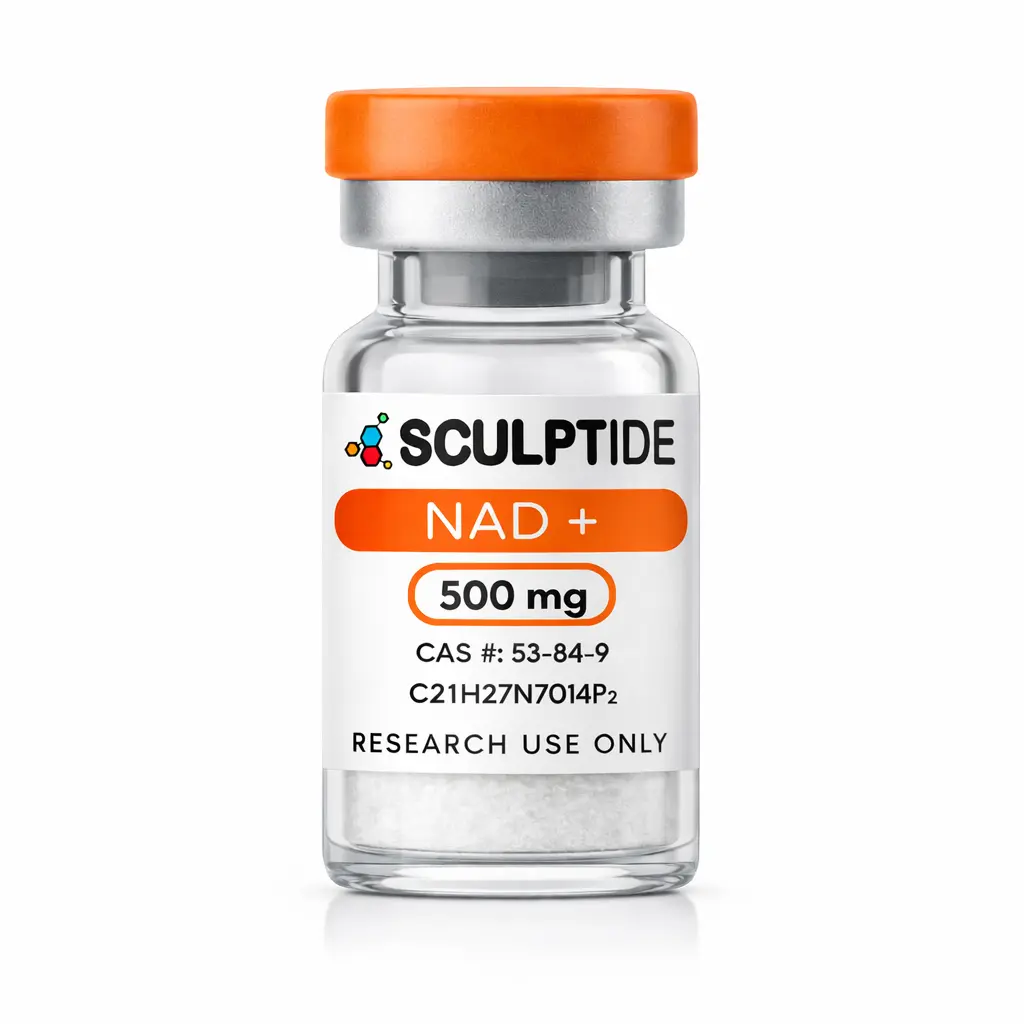
NAD+: The Life Extender Peptide for Longevity & Anti-Aging
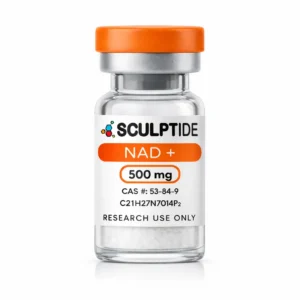
NAD+ (Nicotinamide Adenine Dinucleotide) is a critical coenzyme found in every living cell. It plays an essential role in energy production, DNA repair, cellular metabolism, and healthy aging. As NAD+ levels naturally decline with age, researchers and health professionals have increasingly focused on supplementation strategies—including NMN and NR—to support longevity and overall wellness.
Because Nicotinamide Adenine Dinucleotide+ acts as a cellular “electron shuttle,” it fuels many of the body’s most important biological processes. Declining levels have been linked to age-related metabolic dysfunction, cognitive decline, and reduced cellular repair capacity, making NAD+ optimization a major area of anti-aging research.
What Is NAD+ and Why Is It Important?
Nicotinamide Adenine Dinucleotide+ is a coenzyme that supports hundreds of metabolic reactions in the body. It exists in two forms—NAD+ (oxidized) and NADH (reduced)—and functions primarily by transferring electrons during cellular energy production.
Without adequate level, cells cannot efficiently generate ATP (adenosine triphosphate), the primary energy currency of the body.
1. Cellular Energy Production
It is essential for converting nutrients from food into usable cellular energy (ATP). It supports mitochondrial function and plays a central role in metabolic health and physical performance.
2. DNA Repair and Cellular Protection
This vital anti-aging coenzyme activates enzymes called sirtuins and PARPs, which are involved in repairing damaged DNA and maintaining genomic stability. This function is critical for healthy aging and disease prevention.
3. Metabolism and Weight Regulation
It participates in numerous metabolic reactions, influencing:
Glucose metabolism
Fat oxidation
Insulin sensitivity
Mitochondrial efficiency
Optimizing levels in the body may support metabolic health and weight management efforts.
4. Cellular Signaling and Stress Response
NAD+ helps regulate enzymes responsible for protein modification and cellular stress adaptation. This links cellular energy status to gene expression and overall cell function.
5. Circadian Rhythm Regulation
Nicotinamide Adenine Dinucleotide+ influences the body’s internal clock, helping regulate sleep-wake cycles and circadian rhythm balance.
Why Do NAD+ Levels Decline?
Nicotinamide Adenine Dinucleotide+ levels naturally decrease as we age. Reduced availability is associated with diminished mitochondrial function, increased inflammation, and slower cellular repair.
Several lifestyle habits may accelerate depletion, including:
Chronic stress
Poor diet
Sleep deprivation
Excessive alcohol consumption
Sedentary behavior
NAD+ Boosters: NMN, NR & Other Precursors
To counteract declining levels, researchers have developed supplementation strategies using Nicotinamide Adenine Dinucleotide+ precursors.
Nicotinamide Riboside (NR)
NR is a vitamin B3 derivative that converts into Nicotinamide Adenine Dinucleotide inside the body. It is one of the most researched precursors and is commonly used in longevity supplements.
Nicotinamide Mononucleotide (NMN)
NMN is a direct precursor and plays a key role in Nicotinamide Adenine Dinucleotide+ biosynthesis. It has gained popularity in anti-aging and metabolic health research.
Other Precursors
Additional compounds that support production include:
Niacin (Nicotinic Acid, NA)
Nicotinamide (NAM)
While animal studies show promising improvements in health span and metabolic function, human clinical research is still ongoing.
Therapeutic Potential of NAD+ Optimization
Anti-Aging and Longevity
Boosting Nicotinamide Adenine Dinucleotide+ levels is a major focus in longevity science. Research suggests it may help counteract age-related cellular decline and support healthy aging pathways.
Metabolic Health
Supplementation is being studied for potential benefits in:
Metabolic syndrome
Insulin resistance
Cardiovascular health
Weight management
Neuroprotection and Brain Health
Because it supports mitochondrial function and DNA repair, this vital coenzyme may help protect against neurodegenerative conditions and cognitive decline.
Addiction and Neurological Regulation
Emerging research suggests it may influence the neurobiology of addiction, withdrawal, and brain recovery processes.
Why NAD+ Matters for Long-Term Health
As a foundational molecule for cellular energy, repair, and metabolic regulation, Nicotinamide Adenine Dinucleotide+ is central to overall vitality. Maintaining healthy levels may support energy production, healthy aging, cognitive function, and metabolic resilience.
Because levels declines with age, interest in NMN, NR, and other Nicotinamide Adenine Dinucleotide boosters continues to grow in both clinical research and wellness communities.
Where Can I Learn More?
1. Nicotinamide Adenine Dinucleotide+ and aging (foundational review)
- Therapeutic Potential of Boosting NAD+ in Aging and Age-Related Diseases
- Highlights how levels decline with age and how restoring levels may slow aging and reduce risk of metabolic and neurodegenerative diseases.
2. NAD+ metabolism & cardiovascular health
- NAD+ Metabolism in Cardiac Health, Aging, and Disease
- Shows depletion is linked to aging, obesity, and cardiovascular disease, emphasizing its role in metabolic health.
3. Clinical review of Nicotinamide Adenine Dinucleotide+ supplementation
- Evaluation of Safety and Effectiveness of NAD+ in Different Clinical Conditions
- Systematic review suggesting supplementation is generally safe with potential therapeutic benefits, though more research is needed.
4. NAD+ supplementation & metabolic function
- Dietary Supplementation With NAD+-Boosting Compounds
- Found precursors can increase NAD+ levels in tissues and support metabolic function, though clinical outcomes vary.
Common Stacks & Related Peptides
NAD+ is a versatile peptide that has been stacked with a number of different compounds depending on the objective. It has been paired with peptides like GHK-Cu for skin health and anti-aging, BPC-157 for recovery and repair, Semax for cognitive support, MOTS-c & SS-31 for mitochondrial function, as well as GLP-1 agonists (Semaglutide/Tirzepatide) for metabolism and weight loss.
Some of these stacks aim to provide raw materials to boost NAD+ levels while simultaneously providing cofactors that enhance sirtuins (longevity genes) or protect against oxidative stress. Combining with other therapies can also increase metabolic efficiency, reducing the metabolic slowdown sometimes associated with weight loss drugs. NAD+ is widely used in the mitochondrial category amongst adult researchers.